Useful links
Home Cybersecurity Privacy in the Workplace Privacy Tools and Resources Privacy News and Updates
Home Cybersecurity Privacy in the Workplace Privacy Tools and Resources Privacy News and Updates
Category : privacyless | Sub Category : privacyless Posted on 2023-10-30 21:24:53
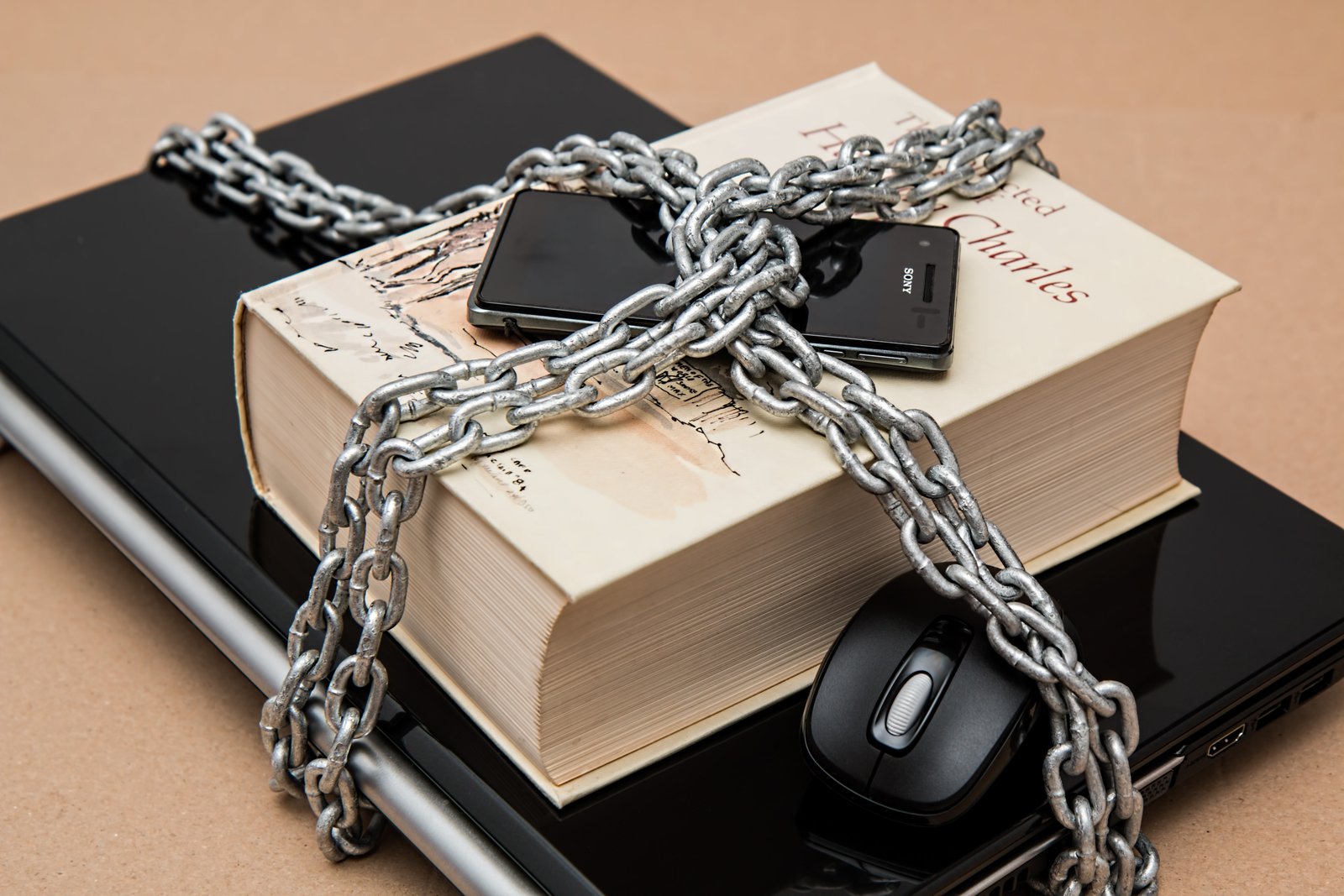
Introduction: With the increasing digitization of fitness and the integration of technology in our workout routines, data security has become a crucial aspect of the gym experience. From gym membership details to personal health information, protecting your data has never been more important. In this blog post, we will explore the significance of data security in gyms and offer tips to ensure the safety of your personal information. The Risks of Data Breaches in Gyms: In recent years, there have been several high-profile data breaches affecting gym-goers worldwide. When sensitive data such as names, addresses, contact details, and even credit card information falls into the wrong hands, it can lead to identity theft, financial loss, and other serious consequences. Additionally, health information, which may include medical conditions or fitness goals, could be exploited if not adequately protected. Protecting Your Personal Information: 1. Choose a reputable gym: Before signing up for a gym membership, thoroughly research the facility's data security measures. Look for aspects like encryption, secure servers, and privacy policies. Opt for gyms that have a good track record of prioritizing data security. 2. Strong passwords: Use unique, strong passwords for your gym account and any associated apps. Avoid using common and easily guessable phrases. Consider using a password manager to generate and securely store complex passwords. 3. Secure Wi-Fi networks: Be cautious when connecting to public Wi-Fi networks at the gym. These networks may not always be secure, and your personal information could be vulnerable to hackers. Instead, rely on your cellular data connection or invest in a Virtual Private Network (VPN) to encrypt your internet traffic. 4. Limit personal information sharing: Only provide necessary personal information to the gym. Be cautious about sharing sensitive details unless entirely essential for your membership or fitness goals. Provide information on a need-to-know basis, and avoid oversharing. 5. Two-factor authentication: Enable two-factor authentication whenever possible. This adds an extra layer of security to your gym account, requiring a verification code in addition to your password for access. 6. Regularly update software: Ensure that your mobile devices, fitness apps, and other related software are up to date. Regular updates often include security patches that help safeguard your personal information. 7. Read privacy policies: Familiarize yourself with the privacy policies of your gym and fitness app providers. Understand how they collect, store, and use your personal data. Opt for services that prioritize data security and provide transparent information on how they handle your information. 8. Be vigilant against phishing attempts: Stay alert for phishing emails or messages that may appear to be from your gym or fitness app provider. These deceptive attempts often aim to trick you into revealing personal information or passwords. Verify the authenticity of any requests before sharing any data. Conclusion: In an age where data breaches are becoming increasingly common, taking steps to protect your personal information at the gym is crucial. By choosing a reputable gym, utilizing strong passwords, and being cautious about sharing sensitive details, you can significantly reduce the risk of data breaches. Stay informed, advocate for your privacy, and ensure your gym experience remains focused on fitness goals instead of data security concerns. You can also check following website for more information about this subject: http://www.gymskill.com


