Useful links
Home Cybersecurity Privacy in the Workplace Privacy Tools and Resources Privacy News and Updates
Home Cybersecurity Privacy in the Workplace Privacy Tools and Resources Privacy News and Updates
Category : privacyless | Sub Category : privacyless Posted on 2024-09-07 22:25:23
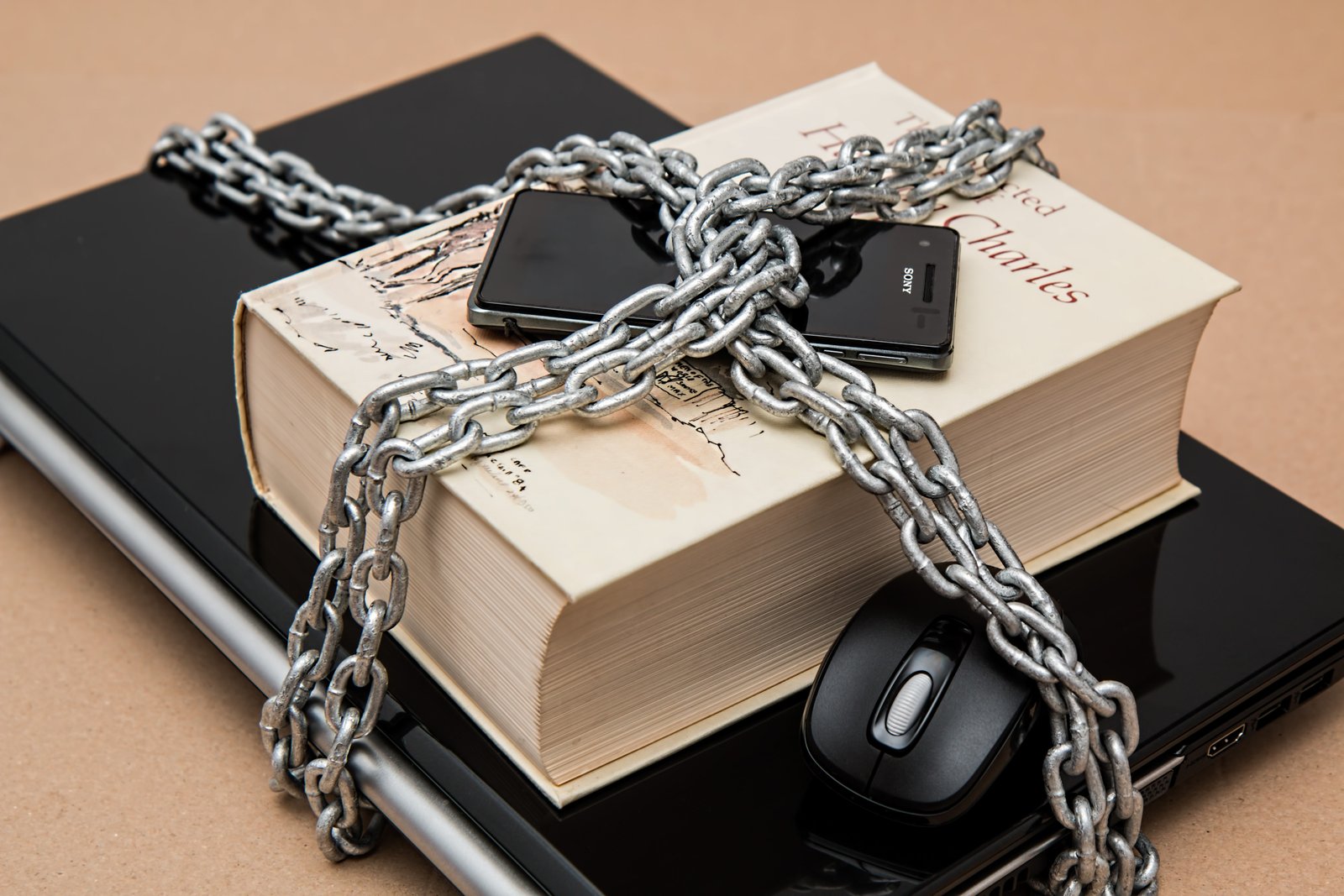
In today's digital age, DIY home Software apps have become increasingly popular for homeowners looking to streamline household tasks and increase convenience. From smart thermostats to security cameras to lighting controls, these apps offer a range of benefits in managing our homes with just a tap on our smartphones. However, as we embrace these technological advances, it's crucial to be mindful of data privacy and security concerns that come with using such apps. 1. **Understand the Data Being Collected:** Before installing any DIY home software app, take the time to review the privacy policy and terms of service provided by the developer. Understand what data the app collects, how it is used, and whether it is shared with third parties. Be cautious of apps that collect more information than necessary for their functionality. 2. **Secure Your Network:** One of the most important steps in protecting your data privacy is securing your home network. Ensure your Wi-Fi network is password-protected, use a strong and unique password, and update your router's firmware regularly. Consider setting up a separate guest network for IoT devices to isolate them from your main network. 3. **Update Software Regularly:** Keep your DIY home software apps, as well as your smartphone's operating system, up to date. Developers frequently release updates that address security vulnerabilities and enhance data protection measures. By staying current with software updates, you can better protect your data from cyber threats. 4. **Use Two-Factor Authentication:** Whenever possible, enable two-factor authentication (2FA) for your DIY home software apps. 2FA adds an extra layer of security by requiring a second form of verification, such as a code sent to your phone, in addition to your password. This additional step can significantly reduce the risk of unauthorized access to your app accounts. 5. **Review App Permissions:** Periodically review the permissions granted to each DIY home software app on your smartphone. Make sure the app only has access to the necessary features and data it needs to function properly. Restrict any permissions that seem excessive or unnecessary for the app's intended use. 6. **Consider Privacy-focused Alternatives:** If you are concerned about data privacy and security, consider opting for DIY home software apps from developers known for their strong commitment to protecting user data. Look for apps that offer end-to-end encryption, transparent privacy practices, and clear user controls over data sharing. By taking these proactive steps, you can enjoy the convenience and efficiency of DIY home software apps while safeguarding your data privacy. Remember that your personal information and home security are valuable assets that require careful attention and protection in today's interconnected world. Stay informed, stay vigilant, and prioritize your data privacy when using technology to enhance your home.


