Useful links
Home Cybersecurity Privacy in the Workplace Privacy Tools and Resources Privacy News and Updates
Home Cybersecurity Privacy in the Workplace Privacy Tools and Resources Privacy News and Updates
Category : privacyless | Sub Category : privacyless Posted on 2024-09-07 22:25:23
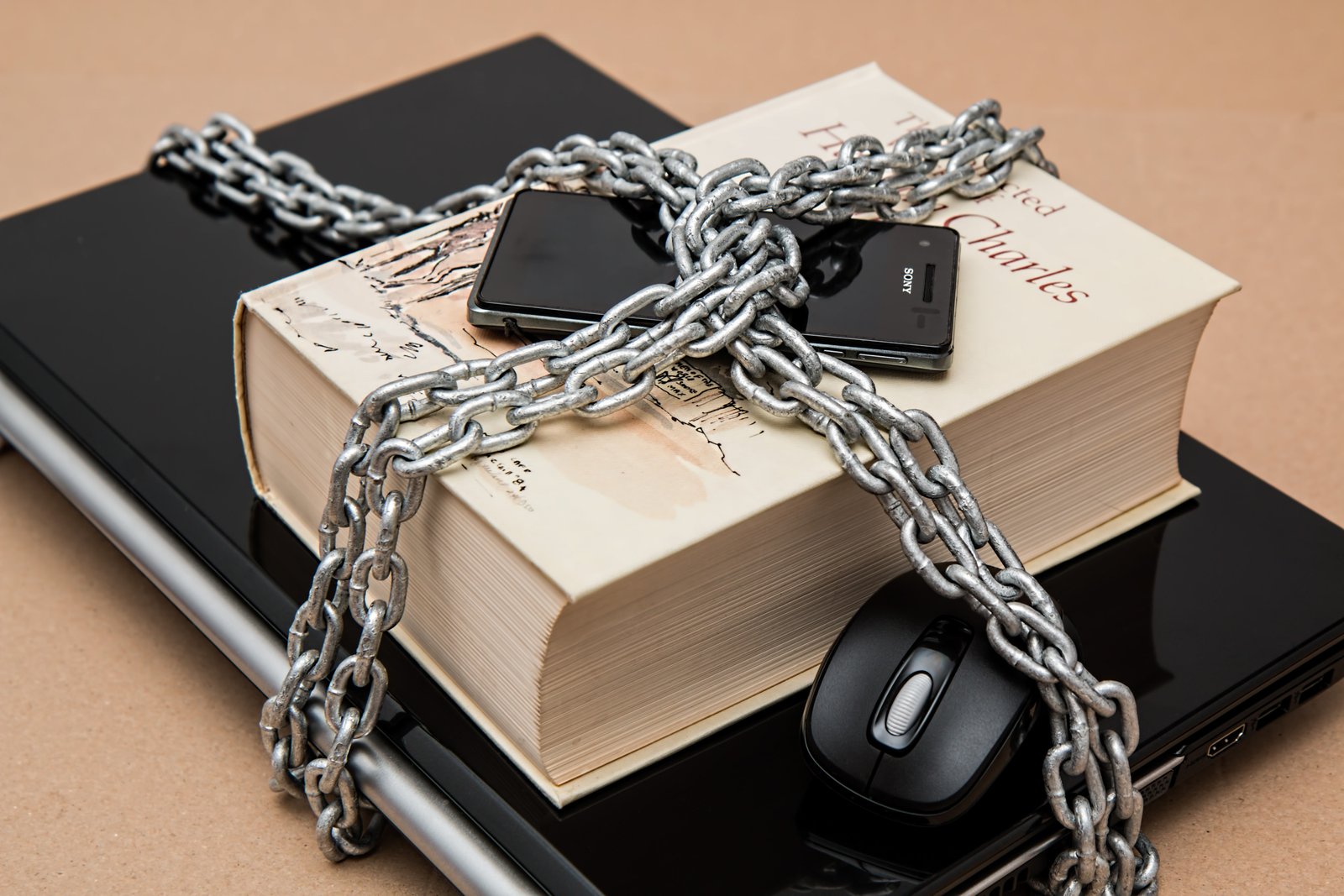
Traveling to new and exciting destinations can be an enriching experience, but it also comes with the responsibility of safeguarding your personal data. In today's digital age, the threat of privacy breaches and data theft is real, making it crucial for travelers to take precautionary measures to protect their sensitive information. As you embark on your journey, consider implementing a ceremony of caution to ensure that your data privacy remains intact throughout your travels. Here are some tips to help you safeguard your personal information: 1. Secure Your Devices: Before you set off on your adventure, make sure that all your devices, including smartphones, laptops, and tablets, are password-protected. Enable two-factor authentication wherever possible to add an extra layer of security. 2. Use Strong and Unique Passwords: Avoid using easily guessable passwords such as "12345" or "password." Opt for strong, unique passwords that combine letters, numbers, and special characters. Consider using a reputable password manager to securely store and manage your passwords. 3. Avoid Public Wi-Fi: While it may be tempting to connect to free public Wi-Fi networks while traveling, be cautious as these networks are often unsecured and vulnerable to hackers. Consider using a virtual private network (VPN) to encrypt your internet connection and protect your data from prying eyes. 4. Be Mindful of What You Share: Be selective about the information you share online while traveling. Avoid posting your exact travel itinerary on social media and refrain from sharing sensitive personal details such as your home address or passport information. 5. Encrypt Your Data: Consider encrypting sensitive data stored on your devices to prevent unauthorized access. Most smartphones and laptops offer built-in encryption features that you can activate to protect your files and data. 6. Monitor Your Accounts: Periodically check your bank and credit card statements for any unusual activity while traveling. Report any suspicious transactions to your financial institutions immediately to prevent further unauthorized charges. 7. Update Your Software: Keep your devices and software up to date with the latest security updates and patches. Regularly update your antivirus and anti-malware programs to protect against new threats. By following these simple yet effective tips, you can enjoy your travels with peace of mind knowing that your data privacy is being safeguarded. Remember, protecting your personal information is a ceremony of caution that should not be taken lightly in today's digital world. Safe travels!


