Useful links
Home Cybersecurity Privacy in the Workplace Privacy Tools and Resources Privacy News and Updates
Home Cybersecurity Privacy in the Workplace Privacy Tools and Resources Privacy News and Updates
Category : privacyless | Sub Category : privacyless Posted on 2024-09-07 22:25:23
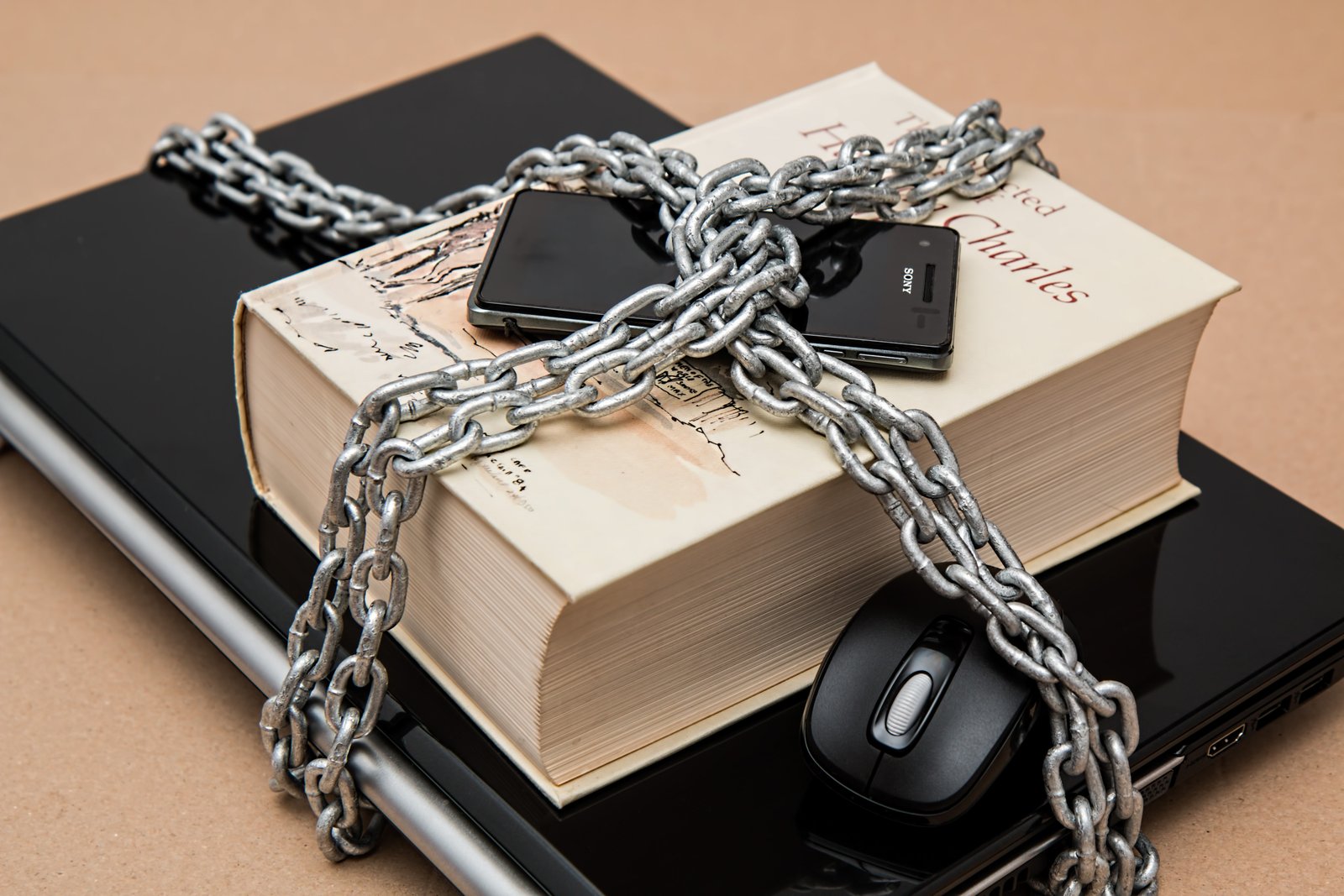
Traveling the world is an exciting adventure that often involves sharing personal information as you book flights, accommodations, and activities. However, with the increasing risk of data breaches and cyber threats, it is essential to prioritize data privacy and security while you explore new destinations. In this travel data privacy guide, we will cover key tips and strategies to help you protect your information and enjoy a worry-free travel experience. 1. Secure Your Devices: Before embarking on your travel journey, ensure that all your electronic devices, including smartphones, laptops, and tablets, are equipped with the latest security updates and antivirus software. Set strong passwords or passcodes to prevent unauthorized access in case your devices are lost or stolen. 2. Use Secure Wi-Fi Networks: While traveling, it is common to connect to public Wi-Fi networks in airports, hotels, and cafes. However, public Wi-Fi networks are vulnerable to cyber attacks. Whenever possible, use virtual private network (VPN) services to encrypt your internet connection and safeguard your data from prying eyes. 3. Be Cautious with Personal Information: When making reservations or purchases online, only provide necessary personal information and avoid sharing sensitive data such as social security numbers or passport details unless required. Verify the legitimacy of websites and payment gateways before entering your financial information. 4. Enable Two-Factor Authentication: Add an extra layer of security to your accounts by enabling two-factor authentication (2FA) whenever possible. 2FA requires you to provide a secondary form of verification, such as a code sent to your phone, in addition to your password, making it more challenging for hackers to access your accounts. 5. Backup Your Data: Backup your important travel documents, such as passports, visas, itinerary, and insurance information, to a secure cloud storage service or an external hard drive. In case your physical documents are lost or stolen, you can access electronic copies to expedite recovery processes. 6. Update Privacy Settings: Review and adjust the privacy settings on your social media accounts to control who can view your posts and personal information. Avoid sharing real-time updates of your travel plans, as it can alert potential burglars that your home is unoccupied. 7. Monitor Your Accounts: Regularly monitor your financial accounts and credit reports for any unusual activity or unauthorized transactions. Report suspicious charges immediately to your financial institution and change your account passwords to prevent further unauthorized access. By following these data privacy tips and best practices, you can safeguard your information and enjoy a secure and stress-free travel experience. Remember that protecting your data is essential not only during your travels but also in your everyday online activities. Stay informed, stay vigilant, and stay safe wherever your adventures take you. Happy travels! Dropy by for a visit at https://www.hfref.com Here is the following website to check: https://www.topico.net


